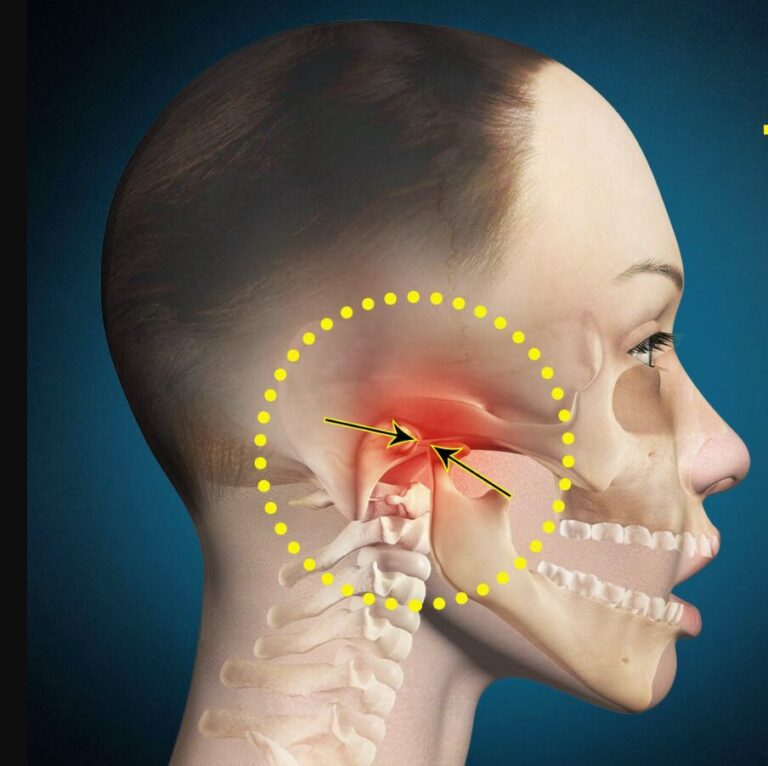
When it comes to maintaining a healthy smile, many people believe that brushing harder will yield better results. It’s easy to think that more force might mean a deeper clean. However, brushing with too much pressure can harm your teeth and gums in the long run. The truth is, it’s not about brushing harder it’s about brushing smarter! In this guide, we will debunk the myth of “harder is better” and offer helpful tips on how to properly brush your teeth using both manual and electric toothbrushes. Brushing too hard
The Truth About Brushing Pressure
Brushing harder doesn’t mean your teeth will be any cleaner. Using excessive force can damage your enamel, the protective outer layer of your teeth and can lead to gum recession. When your gums recede, the sensitive roots of your teeth are exposed, which can lead to discomfort and a heightened risk of tooth decay. Effective brushing is more about technique, time and consistency than brute force. Here’s how you can maximize your brushing habits for optimal oral health, whether you use a manual or electric toothbrush.
How to Brush Properly with a Manual Toothbrush
Manual toothbrushes are widely available, cost-effective and can be highly effective when used with the correct technique. Here are some tips for making the most of your manual toothbrush:
1. Choose a Soft-Bristled Toothbrush
A soft-bristled brush is essential to prevent damage to both your enamel and gums. Harder bristles can wear down enamel over time, especially when paired with aggressive brushing. A soft brush is gentle enough to be safe for daily use and can still clean thoroughly with the right approach.
Tip: Replace your toothbrush every 3–4 months or sooner if the bristles become frayed. Worn-out bristles are less effective at removing plaque.
2. Use a 45-Degree Angle
Hold the toothbrush at a 45-degree angle to your gums. This position allows the bristles to sweep under the gumline, effectively removing plaque and debris from this area.
Tip: Use small, circular motions rather than scrubbing back and forth. This helps prevent unnecessary pressure and protects your gums.
3. Don’t Rush! Brush for 2 Minutes
Two minutes is the recommended time for a complete brushing session, which can be challenging to reach without a timer. Divide your mouth into four quadrants (upper left, upper right, lower left, lower right) and spend 30 seconds on each.
Tip: Use a timer or a brushing app to keep yourself accountable for the full two minutes.
4. Apply Gentle Pressure
Remember, brushing harder won’t improve your results. Applying excessive force can damage both your teeth and gums over time. Instead, think of brushing as massaging your teeth with gentle pressure.
Tip: Hold the brush handle lightly, rather than with a tight grip, to naturally reduce the amount of pressure you’re applying.
5. Clean Every Surface
Make sure to cover all surfaces of your teeth, the outer, inner and chewing surfaces. Don’t forget to brush your tongue as well; it can harbor bacteria that contribute to bad breath.
Tip: Tongue scrapers are also available if you’d like a more targeted tool for cleaning your tongue. Read more on our last blog about this.
How to Brush Properly with an Electric Toothbrush
Electric toothbrushes can be especially helpful for people who struggle with consistent brushing technique. They’re designed to make brushing easier, with features like built-in timers and pressure sensors to assist you. Here’s how to get the most out of an electric toothbrush:
1. Let the Brush Do the Work
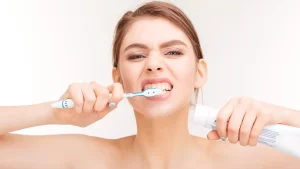
The key with electric toothbrushes is to let the brush head’s movement do the cleaning for you. Guide the brush head gently from tooth to tooth, allowing it to vibrate or rotate across each surface. Scrubbing with an electric toothbrush isn’t necessary and can cause damage.
Tip: Apply only light pressure. Most electric toothbrushes are designed to remove plaque effectively with minimal effort on your part.
2. Hold the Brush at a 45-Degree Angle
Just like with a manual toothbrush, position the electric brush head at a 45-degree angle to the gumline. This angle helps ensure that the gumline and teeth are both cleaned.
Tip: Focus on one tooth at a time, moving the brush slowly across each area to let the motion of the bristles do the cleaning.
3. Follow the 2-Minute Rule
Many electric toothbrushes come with a built-in timer that will let you know when two minutes have passed. Some even alert you every 30 seconds to switch quadrants, making it easier to clean each area of your mouth evenly.
Tip: Follow the timer, even if it seems like you’re done sooner. Two full minutes ensures all areas are properly cleaned.
4. Avoid Excessive Pressure
Electric toothbrushes often come with sensors that alert you if you’re pressing too hard. Pay attention to these warnings; brushing too hard, even with an electric brush, can still lead to enamel wear and gum recession.
Tip: Try holding the brush handle with just your fingertips to limit the force applied.
5. Replace Brush Heads Regularly
Electric toothbrush heads wear out just like manual brushes, so it is important to replace them every 3–4 months, or sooner if the bristles show signs of wear.
Tip: Some electric toothbrush heads have color indicators that fade to signal when it’s time for a replacement.

Signs You are Brushing Too Hard
Using proper brushing technique is crucial but it’s also essential to recognize signs that you may be overdoing it. Here are some red flags to watch for:
- Receding Gums: If your gums appear to be pulling away from your teeth, this could indicate over-brushing.
- Tooth Sensitivity: Exposed enamel or root surfaces from over-brushing can lead to increased sensitivity, especially to hot, cold, or sweet foods.
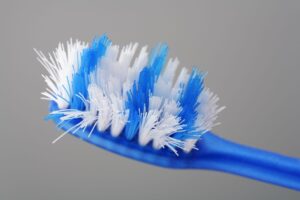
- Frayed Toothbrush Bristles: If your toothbrush bristles look frayed or worn out after just a few weeks, this may be a sign that you are using too much pressure.
If you experience any of these symptoms, try lightening up your brushing technique. It might also be a good idea to talk to your dentist for advice on adjusting your habits.
Final Thoughts: Brush Gently for Better Results
Brushing harder does not mean brushing better. Whether you prefer a manual or electric toothbrush the key to a clean and healthy mouth is all about gentle, effective technique rather than force. By using gentle pressure, brushing for the full two minutes and letting the brush do its job, you can keep your teeth and gums healthy for years to come.
If you are unsure whether you’re brushing properly, ask your dentist or hygienist at your next visit. They can provide guidance on brushing techniques and recommend tools tailored to your oral health needs.
Need More Oral Care Tips?
For personalized advice and more tips on keeping your teeth and gums healthy, feel free to reach out to us. We are here to help you achieve a cleaner, brighter smile without the risk of over-brushing. Book online today