
Understanding TMJ Disorder: Causes, symptoms and 10 Exercises for Relief
Temporomandibular joint (TMJ) disorder is a common yet often misunderstood condition that affects the jaw joint and surrounding muscles. If you experience jaw pain, difficulty chewing or a clicking sound when opening your mouth, you may be suffering from TMJ disorder. In this blog, we will explore what TMJ disorder is, it’s causes, symptoms and 10 effective exercises to relieve discomfort.
What is TMJ Disorder?
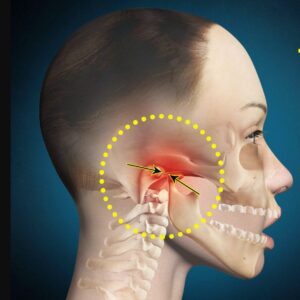
The temporomandibular joint (TMJ) connects the jawbone to the skull, enabling movement for essential functions such as talking, chewing and yawning. TMJ disorder occurs when there is dysfunction in this joint, leading to pain and restricted movement.
Common Causes of TMJ Disorder
TMJ disorder can stem from various factors, including:
- Jaw Injury: Trauma to the jaw or head can affect the alignment of the joint.
- Teeth Grinding or Clenching (Bruxism): Excessive force on the joint can lead to inflammation and pain.
- Arthritis: Conditions like osteoarthritis and rheumatoid arthritis can impact TMJ function.
- Poor Posture: Forward head posture can put stress on the jaw and neck muscles.
- Stress: High stress levels can lead to involuntary clenching, worsening TMJ symptoms.
- Dental Issues: Misaligned teeth or bite problems can contribute to jaw strain.

Symptoms of TMJ Disorder
Individuals with TMJ disorder may experience:
- Jaw pain or tenderness
- Clicking, popping, or grinding sounds when moving the jaw
- Difficulty or discomfort while chewing
- Locking of the jaw joint
- Ear pain or ringing in the ears (tinnitus)
- Headaches or facial pain
- Stiffness in the jaw or neck muscles
If left untreated, TMJ disorder can interfere with daily activities, making it essential to find ways to manage symptoms effectively.
10 Effective Exercises to Relieve TMJ Pain
Stretching and strengthening exercises can help improve jaw mobility, reduce pain and relieve muscle tension.
1. Jaw Relaxation Exercise
- Place your tongue on the roof of your mouth just behind your front teeth.
- Allow your jaw to relax and slightly drop.
- Hold for a few seconds and repeat 10 times.
2. Goldfish Exercise (Partial Opening)
- Place a finger in front of your ear where your TMJ is located.
- Place the tip of your tongue on the roof of your mouth.
- Slowly open your mouth halfway, then close it.
- Repeat 10 times for each side.
3. Goldfish Exercise (Full Opening)
- Similar to the partial opening, but this time fully open your mouth.
- Keep one finger on the TMJ and another on your chin.
- Slowly open and close your mouth, repeating 10 times.
4. Chin Tucks
- Stand or sit upright with shoulders back.
- Pull your chin straight back to create a “double chin.”
- Hold for 5 seconds and repeat 10 times.
5. Resisted Mouth Opening
- Place your thumb under your chin.
- Slowly open your mouth while gently pressing against your chin for resistance.
- Hold for 5 seconds and repeat 10 times.
6. Resisted Mouth Closing
- Place your fingers on your chin and apply light resistance.
- Try closing your mouth while maintaining resistance.
- Hold for 5 seconds and repeat 10 times.
7. Side-to-Side Jaw Movement
- Place a thin object (like a tongue depressor) between your teeth.
- Slowly move your jaw from side to side.
- Repeat 10 times and increase the object’s thickness as you progress.
8. Forward Jaw Movement
- Place the same thin object between your front teeth.
- Move your jaw forward so that your bottom teeth protrude past the top teeth.
- Repeat 10 times.
9. Stretching Exercise
- Open your mouth as wide as comfortably possible.
- Hold for 5–10 seconds.
- Repeat 10 times.
10. Tongue Up Exercise
- Place your tongue on the roof of your mouth.
- Open and close your mouth slowly without moving your tongue.
- Repeat 10 times.
If you want any more information or exercises, click here.
Additional Tips for Managing TMJ Disorder
In addition to these exercises, you can manage TMJ symptoms by:
- Applying Warm or Cold Compresses: Heat relaxes the muscles, while cold reduces inflammation.
- Eating Soft Foods: Avoid hard or chewy foods that put stress on your jaw.
- Practicing Stress Management: Meditation, deep breathing and yoga can reduce clenching caused by stress.
- Maintaining Good Posture: Keep your spine aligned and avoid slouching.
- Avoiding Excessive Jaw Movements: Limit wide yawning, chewing gum and biting nails.
When to See a doctor
If your TMJ symptoms persist or worsen despite self-care measures, consult a healthcare provider. You may need professional treatments such as:
- Physical therapy
- Dental splints or mouth guards
- Medication (pain relievers, muscle relaxants)
- In severe cases, surgical intervention
Final Thoughts
TMJ disorder can be frustrating, but with the right exercises and lifestyle changes, you can reduce pain and improve jaw function. Try incorporating these 10 exercises into your daily routine and see how they work for you. If your symptoms persist, seek professional guidance for a personalized treatment plan.

Do you suffer from TMJ disorder? Jump on our website to book an appointment with us.